Summary:
Why Commercial Garage Doors Need More Attention Than Residential Ones
A commercial garage door is not living the same life as the one on a suburban house. Depending on your business, that door might open and close dozens or even hundreds of times a day, carry heavier loads, and face constant exposure to South Florida’s heat and salt air. Warehouses, auto shops, distribution centers, and loading docks all put serious strain on garage door hardware.
That level of daily use means small issues develop faster and become bigger problems sooner. A door that would coast along fine at a home for years might need attention twice as often in a busy commercial setting.
The General Rule: Twice a Year for Most Businesses
For most commercial properties, scheduling a professional inspection and tune-up every six months is a solid baseline. This twice-yearly rhythm catches wear before it turns into a breakdown, keeps the door operating safely, and helps avoid the kind of unexpected failure that can shut down a loading dock or delay deliveries.
That said, six months is a starting point, not a fixed rule for everyone. Several factors can push that number higher.
Factors That Change Your Service Frequency
Not every business runs its garage door the same way, so your ideal maintenance schedule depends on a few key details.
- Cycle count, meaning how many times per day the door opens and closes
- Door weight and size, since larger commercial doors put more stress on springs and openers
- Environmental exposure, including salt air, humidity, and dust common in South Florida
- Age of the equipment, since older doors typically need closer monitoring
- Type of business, since high-traffic operations like distribution centers wear equipment faster than low-traffic storage facilities
A door cycling more than a few hundred times a day, which is common at busy loading docks, may benefit from quarterly inspections instead of the standard twice-a-year schedule.
What a Professional Commercial Inspection Actually Covers
Routine maintenance is not just a quick glance at the door. A thorough inspection typically includes several key checks.
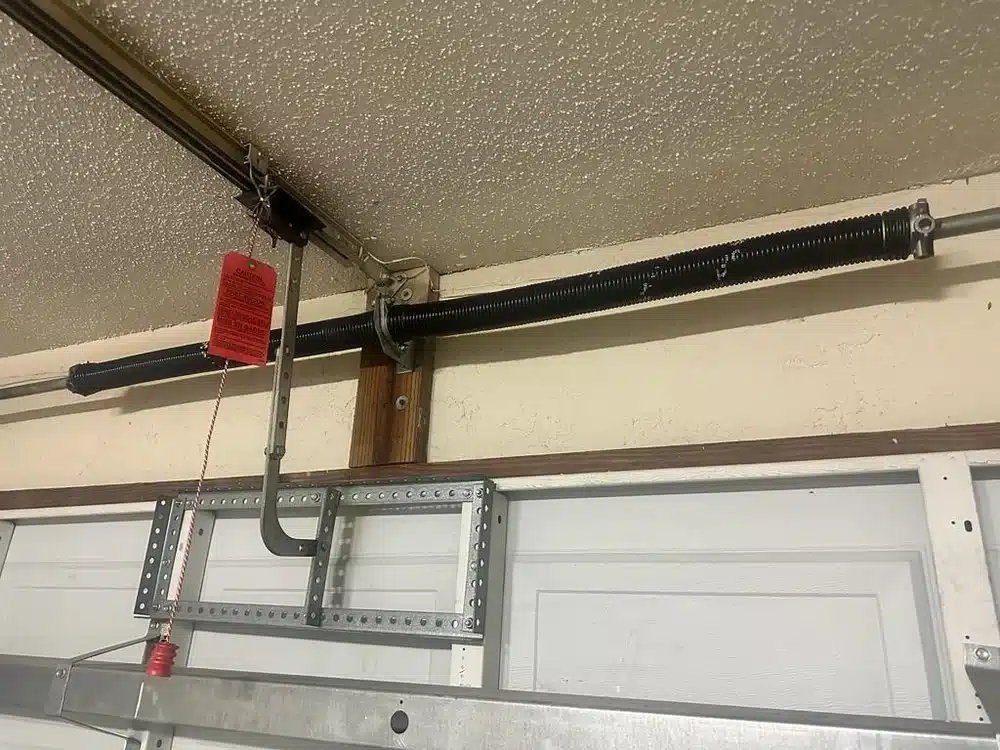
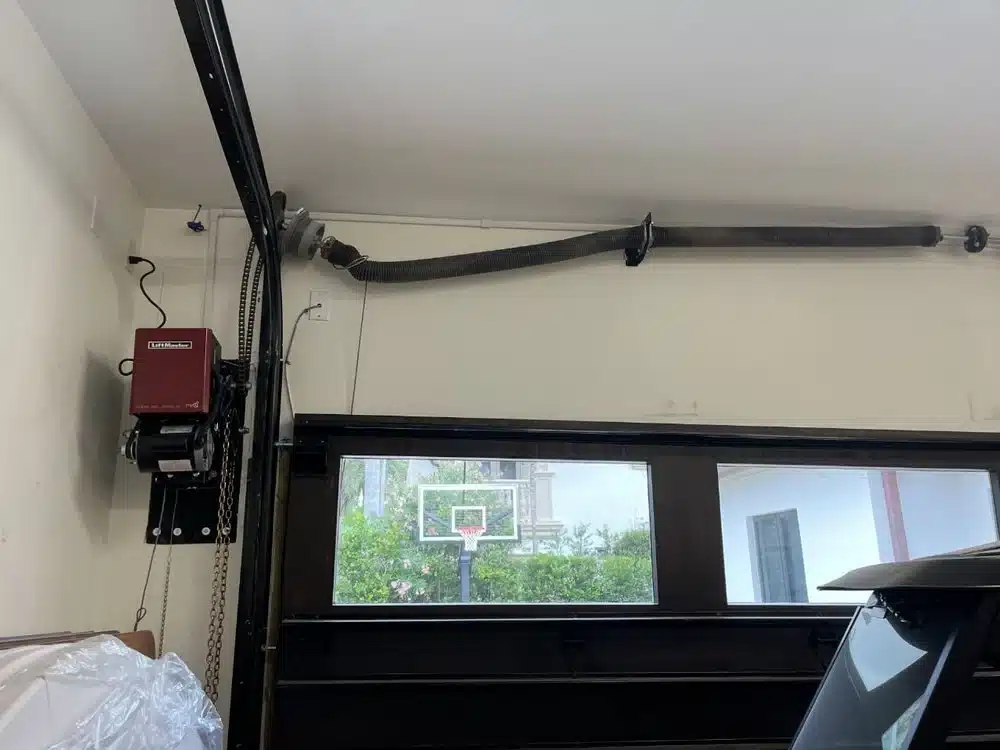
- Spring tension and wear, since commercial springs carry heavy daily loads
- Cable and roller condition, checking for fraying, rust, or misalignment
- Track alignment, which affects how smoothly the door moves
- Opener function and safety sensor testing, confirming the door reverses properly when it detects an obstruction
- Weatherstripping and seals, especially important for temperature-controlled spaces
- Bolts, hinges, and hardware tightening, since constant vibration can loosen fittings over time
Our commercial garage door services cover each of these areas, giving you a full picture of your door’s condition rather than a surface-level check.
Warning Signs That Mean You Should Not Wait
Even with a solid maintenance schedule in place, some signs mean it is time to call sooner rather than later.
- Unusual grinding, squeaking, or banging noises during operation
- Slower than normal opening or closing speed
- Visible rust, sagging, or misalignment
- The door reversing unexpectedly or failing safety sensor tests
- Increased energy costs, which can point to gaps in insulation or seals
Catching these issues early is almost always cheaper and faster than waiting for a full breakdown, especially if it occurs during business hours.
The Real Cost of Skipping Maintenance
Postponing service might save a little time now, but it tends to backfire. A door that fails unexpectedly can halt deliveries, block employee access, or leave a storefront exposed to security risks. Emergency repairs also typically cost more than scheduled maintenance, since urgent service calls and after-hours labor add up quickly. Regular upkeep protects your equipment investment and keeps daily operations running the way they should.
Let Joe’s Doors Keep Your Business Moving
Understanding how often service is required for commercial garage door systems is the first step toward avoiding costly downtime and keeping your operation running safely. Whether your business relies on a single loading dock door or a full fleet of commercial entrances, a consistent maintenance schedule protects your equipment and your bottom line.
Joe’s Doors has years of experience serving businesses across South Florida, and our team knows exactly what commercial garage doors need to withstand our climate and daily wear. Contact us today to set up a maintenance plan tailored to your business, and let us help keep your operations moving without interruption.
Ready to put a reliable maintenance schedule in place for your business? Contact Joe’s Doors today to book a commercial garage door inspection and keep your operations running smoothly.
Frequently Asked Questions
How often should a commercial garage door be serviced?
Most businesses should schedule professional inspections every six months, though high-traffic operations may benefit from quarterly service instead.
What happens if a commercial garage door is not maintained regularly?
Skipped maintenance often leads to faster wear, unexpected breakdowns, and higher repair costs, along with potential safety risks for employees and customers.
How long does a commercial garage door inspection take?
A standard inspection typically takes one to two hours depending on the size and complexity of the door system, though larger commercial setups may take longer.
Can I perform commercial garage door maintenance myself?
Basic visual checks are fine, but full inspections involving springs, cables, and opener systems should always be handled by a trained technician due to the high tension and safety risks involved.
Does South Florida’s climate affect how often a commercial garage door needs service?
Yes. Heat, humidity, and salt air can accelerate wear on hardware and seals, which is why many South Florida businesses benefit from more frequent inspections than properties in drier climates.