Summary:
Why Spring Longevity Deserves Your Attention
A garage door spring is not a small, forgettable part. It carries the entire weight of the door every time it opens or closes, and that repeated stress adds up. Most springs are rated for around 10,000 cycles, with one cycle counting as one full open and close. Depending on household usage, that number can be reached anywhere from 7 to 15 years.
The habits below will not make a spring last forever, but they can help you get the most out of the one you have and spot trouble before it leads to a full breakdown.
1. Keep the Springs Clean and Lubricated
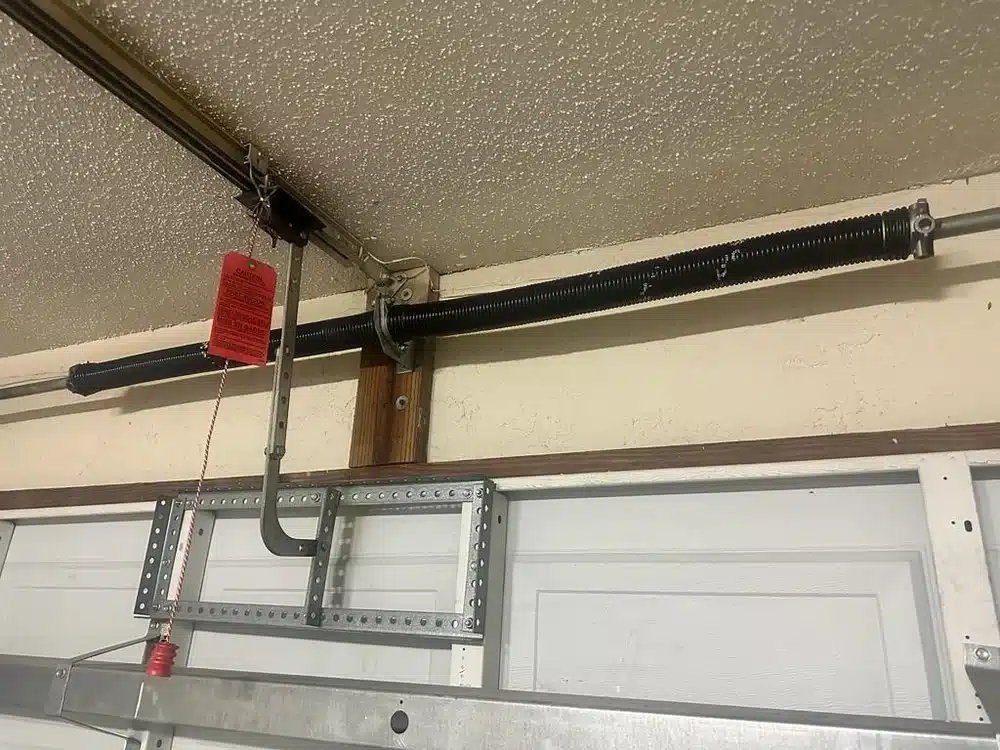
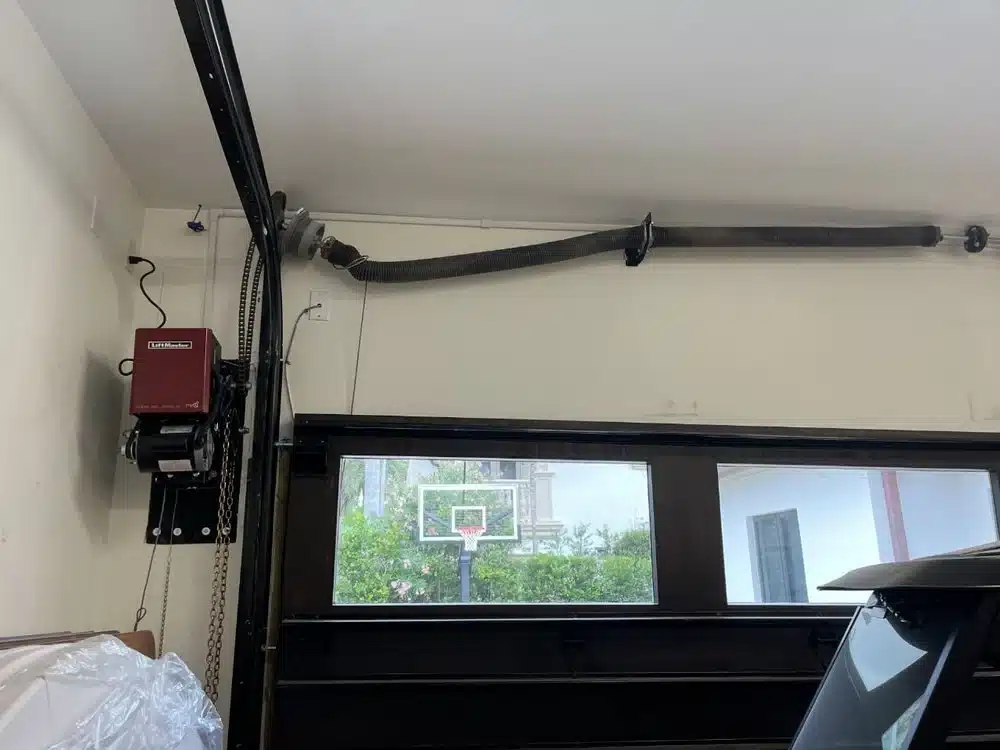
Dust, pollen, and Florida’s humidity can accumulate on spring coils over time, leading to friction and, eventually, rust. A light coating of silicone-based garage door lubricant applied every few months keeps the coils moving smoothly and helps fend off corrosion.
- Avoid using WD-40 or heavy grease, since these attract dirt rather than repel it
- Apply lubricant to the full length of the spring, not just the ends
- Wipe away excess so it does not drip onto the floor or other hardware
This is one of the simplest habits on this list, and it takes only a few minutes each time.
2. Check the Door’s Balance Regularly
An unbalanced door forces the spring to work harder than it should, which considerably shortens its lifespan. You can check this yourself with a simple test.
- Disconnect the automatic opener by pulling the release cord
- Lift the door manually about halfway
- Let go and observe whether it stays roughly in place
If the door drifts up or falls down instead of holding steady, the spring tension is off and needs professional adjustment. Do not attempt to adjust tension yourself, since this is one of the more dangerous parts of garage door maintenance.
3. Avoid Overusing the Manual Release
The manual release cord is meant for emergencies, not everyday use. Repeatedly disconnecting and reconnecting the opener adds unnecessary strain to the spring system and can throw off the door’s balance over time. Save it for situations like a power outage, and let the automatic system handle daily operation.
4. Do Not Ignore Small Noises
A little squeak here and there might seem harmless, but unusual sounds often signal early wear that is still fixable. Grinding, popping, or straining noises during operation are worth investigating before they turn into a snapped spring. Catching these signs early through routine garage door repair checkups can save you from a bigger issue down the road.
5. Limit Daily Cycle Count Where Possible
Every open and close counts toward your spring’s total lifespan, so reducing unnecessary cycles helps. If you are running quick errands throughout the day, consider grouping trips together rather than opening and closing the door multiple times within a short window. This small habit adds up significantly over the course of a year.
6. Protect the Door From Extreme Heat and Moisture
Florida’s climate is tough on garage hardware, and springs are no exception. Direct sun exposure and high humidity can accelerate metal fatigue and corrosion faster than in drier climates.
- Keep the garage well ventilated to reduce trapped moisture
- Consider weatherstripping upgrades if your current seals are worn
- Address any leaks or water intrusion near the spring area promptly
These steps protect not only the spring but also the entire door system.
7. Schedule Professional Tune-Ups
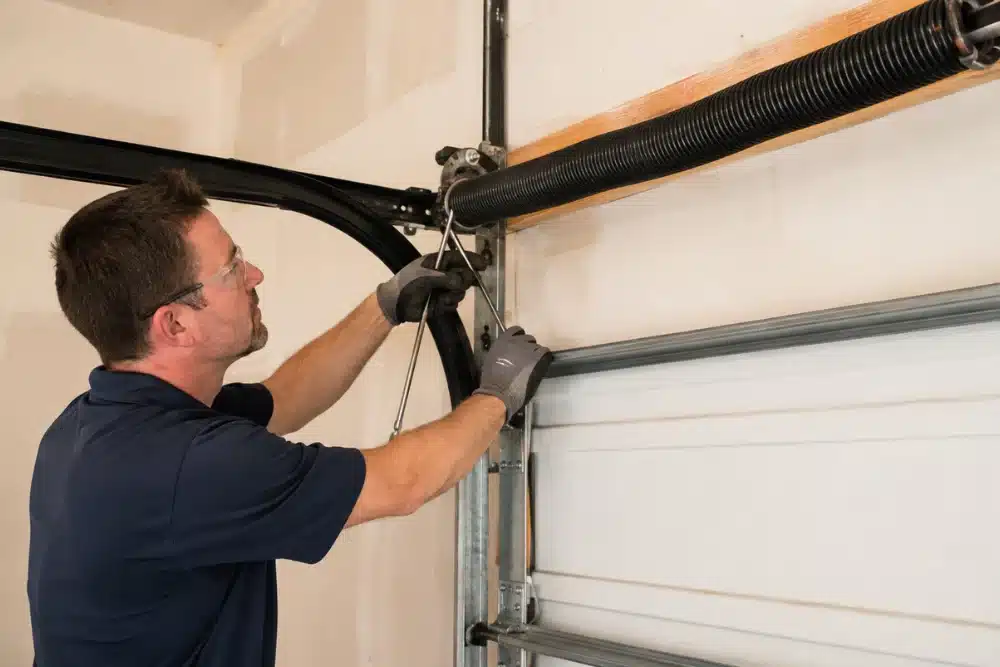
DIY maintenance goes a long way, but a professional inspection catches things a homeowner might miss. A trained technician can precisely measure spring tension, spot early signs of metal fatigue, and adjust hardware before small issues become expensive ones. Most experts recommend a professional tune-up once a year, or twice a year for households that use the garage frequently.
When Replacement Makes More Sense Than Repair
Even with great care, springs do not last forever. If your spring shows rust, has visible gaps in the coils, or has already reached the higher end of its expected cycle count, replacement is often the safer and more cost-effective choice. Our team can walk you through spring replacement options that match your specific door and usage patterns.
Let Joe’s Doors Help Keep Your Springs in Top Shape
Knowing how to make garage door springs last longer comes down to a handful of simple, consistent habits, paired with knowing when to bring in a professional. Regular lubrication, balance checks, and mindful daily use can add real years to your spring’s lifespan and help you avoid an inconvenient failure.
Joe’s Doors has helped South Florida homeowners maintain and repair garage door springs for years, and our team is always ready to help with a tune-up, inspection, or replacement when needed. Reach out today to schedule a service visit and keep your garage door running smoothly for years to come.
Want to get more life out of your garage door springs? Contact Joe’s Doors today to schedule a maintenance checkup and keep your door running smoothly.
Frequently Asked Questions
How often should garage door springs be lubricated?
Most springs benefit from lubrication every three to six months, though homes with heavy garage use or high humidity may need it more frequently.
Can I extend the life of an old, worn spring?
Basic maintenance can slow further wear, but a spring that already shows rust or coil damage should be evaluated by a professional rather than relied on in the long term.
Does opening the garage door manually damage the spring?
Occasional manual use for emergencies is fine, but frequent manual operation can strain the spring and throw off the door’s balance over time.
How do I know if my garage door spring needs professional attention?
Signs like uneven movement, unusual noises, visible rust, or the door failing a balance test all indicate it is time to call a professional.
Is it worth paying for annual garage door maintenance?
Yes, since routine professional tune-ups often catch small issues early, helping you avoid costly emergency repairs and extending the life of your entire door system.